
From the studio4 min read
A Meal Subscription Is an Operations System in Disguise
The first subscription is a sale. Every meal after that is a promise. What it takes to connect the customer experience with menus, costing, kitchen planning, and delivery.
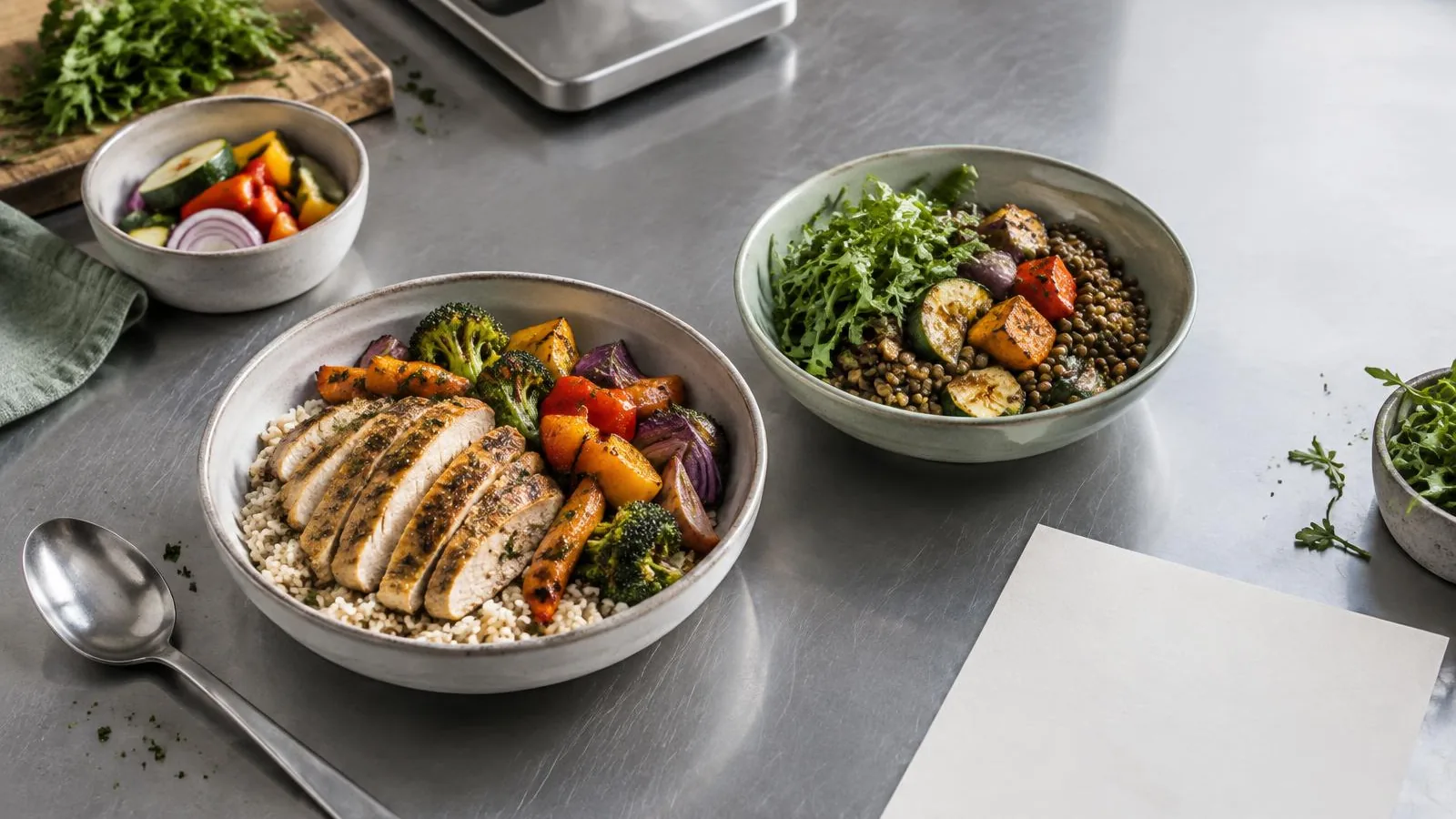
The first subscription is a sale. The next Monday is the real test.
A person buying meals for the week is not looking for another dashboard or a clever checkout flow. They're trying to remove a decision from their daily life. What will I eat? Will it arrive when I need it? Will it still fit my routine next week?
That convenience looks like a digital product. Delivering it consistently is an operational challenge.
A subscription is a promise that has to be kept repeatedly.
Start with the week, not the payment form
In developing a recurring-meals concept, one of the defining product questions became: what would make a customer confident about the week ahead?
A typical subscription page begins with package sizes and a price. We explored a different order: first understand why the person wants ready meals, then show what their week could look like using actual menu options, and only then present the plan.
Portion preferences, duration, start date, and delivery location shape that preview. The purchase request can then be reviewed for delivery feasibility before charging the customer.
It is a small change in sequence with a larger purpose. The interface stops asking someone to buy an abstract package and starts helping them picture a practical routine.
But it also creates obligations beyond the screen. Every choice has to mean something to the team preparing the meals.
Every beautiful menu has a spreadsheet behind it
Consider one dish offered in a standard portion, a lighter portion, and a higher-protein version. To a customer, that looks like three simple choices.
Operationally, those choices may change ingredient quantities, nutritional estimates, portion costs, procurement, production forecasts, and labels. A supplier may sell one ingredient in several pack sizes at different prices. A recipe should not need to be rebuilt just because the team changes vendors.
The system therefore needs to distinguish the recipe from the ingredient, the ingredient from the supplier's purchasable product, and the customer's chosen portion from the kitchen's required quantity.
There is also a difference between the cost of food and the cost of fulfilling a promise. Delivery, labour, packaging, payment fees, and other committed expenses matter to the economics of each order.
Even time matters. If a week is committed at one set of costs and prices, reviewing its margin against today's edited numbers can produce a misleading story. Decisions need an accurate record of what was known when the commitment was made.
Design for the exceptions, not only the happy path
A recurring service has ordinary edge cases: a customer changes their preferred start, an ingredient becomes unavailable, an area is outside the delivery route, or a nutritional value is still an estimate awaiting verification.
Hiding these uncertainties may make the sales funnel prettier. It does not make the service more dependable.
That is why the developing experience makes room for delivery confirmation before payment, internal review, and a clear distinction between provisional information and approved data. The aim is not to automate every human decision on day one. It is to make those decisions traceable and easier to perform well.
The product begins after someone subscribes
There are still assumptions that only real operations can test: how people choose meals over time, how predictably the kitchen can prepare them, and whether the economics hold with repeat demand.
A functional website doesn't answer those questions. It simply creates the conditions to learn.
This is a useful way to think about subscription products in any industry. The visible experience earns the first commitment. The system behind it earns the next one.